Why Telecom Infrastructure Fails: 10 Hidden Problems That Can Cause Network Downtime in Qatar
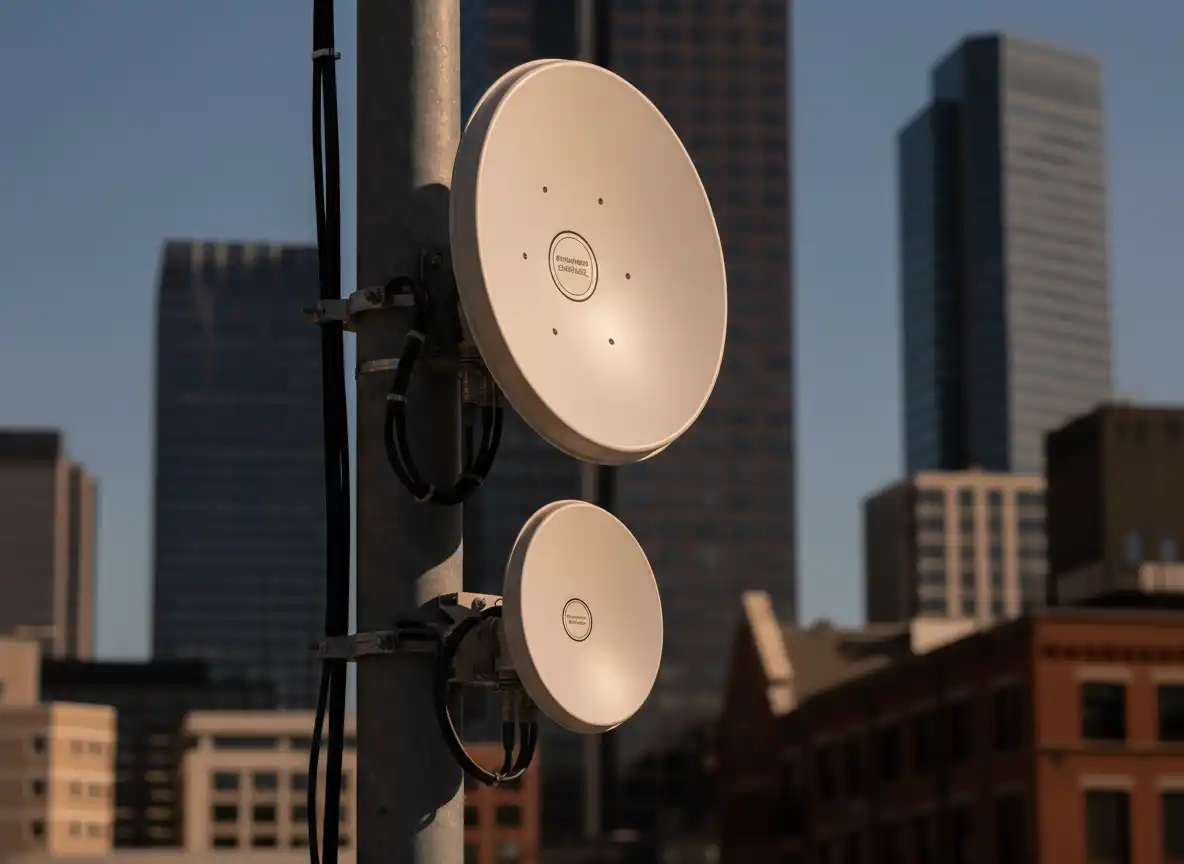
Network downtime almost never announces itself in advance. One day the connection is fine, and the next, a hospital’s systems freeze mid-shift, a retail store’s card machines go dark on a Friday evening, or an office loses its phone lines during a client call. Business owners usually assume the cause is something dramatic a major outage, a cyberattack, bad luck. In reality, most downtime traces back to small, unglamorous infrastructure problems that were quietly building up for months. Here are ten of the most common hidden culprits behind network downtime in Qatar, several of which are made worse by the local climate.
1. Poor Cable Management
Cables that are bent too tightly, crushed under equipment, or run without proper labeling create failures that are maddening to diagnose. A single damaged fiber strand, buried inside a bundle of a hundred identical-looking cables, can take hours to locate without proper documentation.
2. Weak or Aging Power Backup
A UPS system that hasn’t been tested in years, or a generator that was sized for a building’s needs five renovations ago, is often the real reason a “network” outage happens during a power dip rather than an actual internet or hardware failure.
3. Overheating Equipment Rooms
Qatar’s climate makes this one particularly common. Server rooms and equipment cabinets generate significant heat, and if the cooling system wasn’t sized correctly or simply hasn’t been serviced equipment starts throttling or shutting down entirely during the hottest months, exactly when businesses need it most.
4. Signal Interference
Wireless networks, especially in dense commercial buildings, often suffer from overlapping frequencies, nearby equipment emitting electromagnetic interference, or poorly planned access point placement. The symptoms look like a slow, unreliable network, when the real issue is physical interference nobody diagnosed.
5. Outdated or Mismatched Equipment
A network is only as strong as its oldest component. Legacy switches or routers that were never upgraded alongside the rest of the infrastructure quietly become bottlenecks, and eventually, failure points often the first thing to give out under increased load.
6. Dirty or Poorly Terminated Fiber Connections
Fiber optic connectors are extremely sensitive to dust and improper handling. A connector that wasn’t cleaned or terminated correctly during installation can work fine for months before degrading just enough to cause intermittent, hard-to-trace connectivity drops.
7. No Redundancy or Failover Path
Many networks are built around a single path for critical connections, with no backup route if that one link fails. When there’s no redundancy, a single cut cable, one failed switch, or a single point of failure anywhere in the chain can take an entire building offline at once.
8. Dust and Humidity Exposure
Qatar’s dust storms and humidity swings are genuinely tough on exposed telecom equipment, particularly outdoor cabinets and rooftop installations. Seals degrade, connections corrode, and equipment that isn’t properly rated or maintained for these conditions fails earlier than expected.
9. Undocumented Changes and Poor Network Mapping
Every time a change is made to a network a new cable run, a reconfigured switch, an extra access point without proper documentation, the next person troubleshooting a problem is working blind. Over years, this turns even simple fixes into lengthy investigations.
10. Reactive Instead of Proactive Maintenance
The single biggest pattern behind most of the problems above is the same: infrastructure gets attention only after something breaks, rather than through scheduled inspections that catch a failing UPS battery, a degrading connector, or an overheating cabinet before it causes an outage.
Frequently Asked Questions (FAQ)
If issues happen inconsistently, worsen with heat or heavy usage, or persist across different internet connections, the cause is likely internal cabling, equipment, or power rather than your provider.
Given the heat, dust, and humidity here, a proper inspection at least twice a year is a reasonable baseline, with more frequent checks for outdoor or rooftop equipment.
Older buildings often carry more legacy equipment and undocumented changes, but new buildings can suffer just as much if infrastructure was rushed or under-planned during construction. Age matters less than how well it was installed and maintained.
Start with the basics: check your UPS and backup power, inspect cooling in your equipment room, and get proper documentation of your current network setup. These three steps alone catch a large share of hidden risks
Protect Your Business from Unexpected Network Downtime
Experiencing recurring network problems? Fal Telecom provides telecom infrastructure assessment, structured cabling, fibre-optic solutions and preventive maintenance services across Qatar. Contact our team to identify hidden weaknesses before they lead to costly downtime.
7. No Redundancy or Failover Path
Latest Post

FTTx Solutions in Qatar: FTTH, FTTB and FTTC Explained

Micro-Duct vs Conventional Fiber Optic Systems in Qatar