OFC Systems: Complete Guide to Optical Fiber Communication Solutions for High-Speed Networks
In today’s hyperconnected world, Optical Fiber Communication (OFC) systems are the backbone of modern digital infrastructure. From enterprise data centers to smart cities and residential broadband, fiber optic networks power high-speed internet, cloud computing, 5G backhaul, and large-scale telecom operations.
As global demand for faster, more reliable connectivity continues to grow, businesses are rapidly shifting from copper-based cabling to fiber optic cable systems to future-proof their networks.
This comprehensive guide explains everything you need to know about OFC systems, FTTx networks, micro-duct fiber solutions, installation processes, and maintenance best practices.
What Are OFC Systems?
OFC (Optical Fiber Communication) systems use light signals transmitted through thin strands of glass or plastic fibers to carry data at extremely high speeds over long distances.
Unlike traditional copper cabling:
- Fiber offers higher bandwidth
- Provides low latency connectivity
- Has minimal signal loss over long distances
- Is immune to electromagnetic interference
- Supports multi-gigabit and terabit speeds
Fiber networks form the backbone of global internet infrastructure and are critical for telecom operators, ISPs, enterprises, and government networks.
Why Fiber Optic Networks Are Replacing Copper
With technologies such as 5G networks, cloud computing, AI, and IoT expanding rapidly, legacy infrastructure cannot keep up.
Organizations are transitioning to OFC systems because they provide:
1. High-Speed Internet Connectivity
Fiber supports gigabit and multi-gigabit speeds essential for:
- Video conferencing
- Cloud applications
- Streaming platforms
- Enterprise data transfer
2. Scalability for Future Expansion
Fiber optic networks can be upgraded without replacing the entire infrastructure. As bandwidth demand grows, systems can scale efficiently.
3. Long-Term Cost Efficiency
While installation costs may be higher initially, fiber requires less maintenance and has a longer lifespan compared to copper cabling.
4. Secure Data Transmission
Fiber is more secure against interception, making it ideal for financial institutions, healthcare systems, and government networks.
Types of OFC Systems
Modern OFC infrastructure includes several deployment models depending on network requirements.
Conventional Fiber Optic Networks
These are traditional fiber deployments used in:
- Data centers
- Enterprise campuses
- Industrial facilities
- Telecom backbone networks
They involve structured cabling, fiber splicing, patch panels, and network termination points.
Micro-Duct & Blown Fiber Systems
Micro-duct systems are an advanced fiber deployment method where empty ducts are installed first, and fiber is later blown through using compressed air.
Benefits include:
- Faster deployment
- Reduced civil work disruption
- Easy future upgrades
- Lower long-term expansion cost
Blown fiber solutions are widely used in smart infrastructure projects and rapidly developing urban environments.
FTTx (Fiber-to-the-X) Solutions
FTTx is one of the most searched telecom keywords globally. It refers to delivering fiber closer to the end user.
Common FTTx types include:
- FTTH (Fiber-to-the-Home) – Direct fiber to residential homes
- FTTB (Fiber-to-the-Building) – Fiber to commercial or apartment buildings
- FTTC (Fiber-to-the-Curb) – Fiber to a street cabinet
- FTTP (Fiber-to-the-Premises) – Full fiber connectivity to premises
These solutions enable ultra-fast broadband and are essential for modern ISP networks.
OFC Systems and 5G Infrastructure
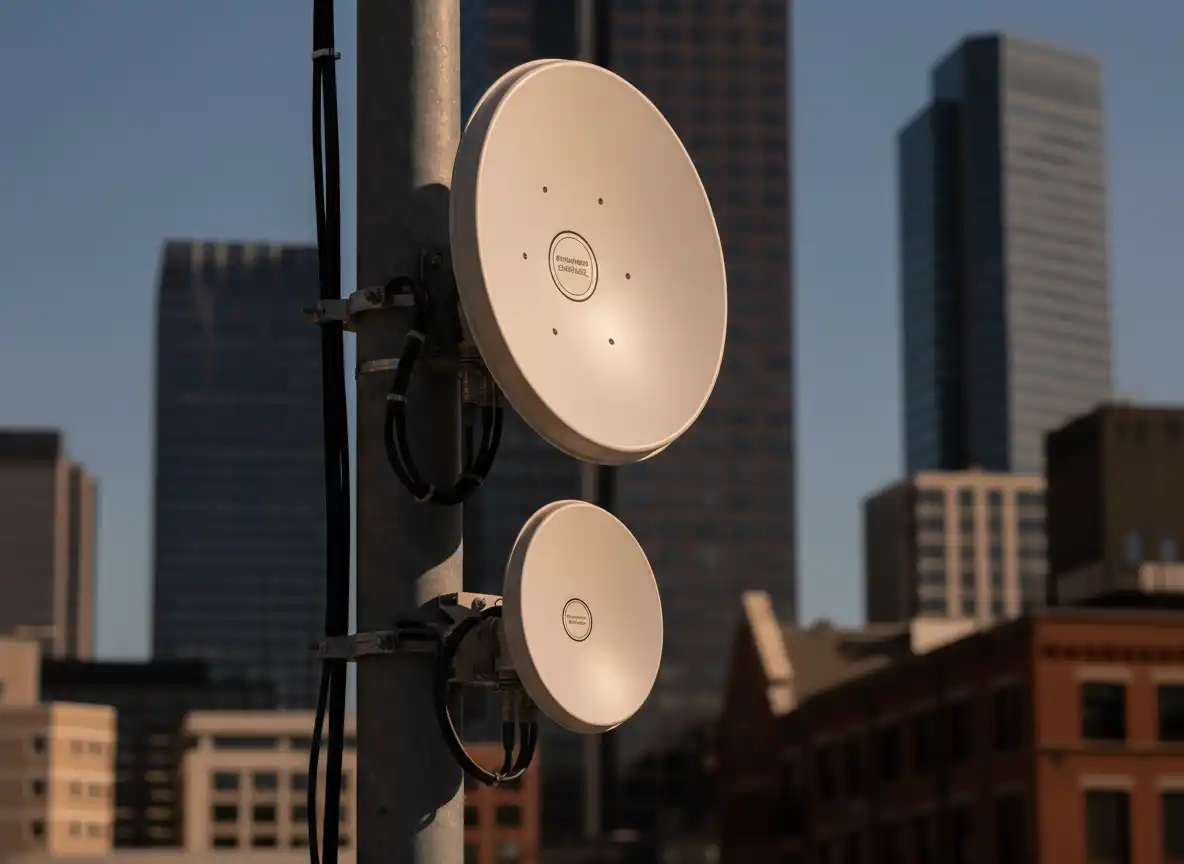
The global rollout of 5G technology depends heavily on fiber optic networks. Wireless towers require fiber backhaul to deliver low-latency, high-capacity connectivity.
Without robust OFC systems, 5G performance cannot reach its full potential.
Telecom providers rely on fiber networks to connect:
- Mobile base stations
- Data centers
- Switching hubs
- Edge computing facilities
Industries That Rely on OFC Systems
Fiber optic communication systems are critical across multiple industries:
Telecommunications
Internet service providers and telecom operators depend on OFC backbone networks to deliver broadband and mobile data services.
Data Centers
Large-scale data centers require high-speed fiber interconnects for server-to-server communication.
Healthcare
Hospitals use fiber for secure data transmission, telemedicine, and medical imaging systems.
Education
Universities and campuses rely on fiber networks for digital learning platforms and cloud access.
Smart Cities
Fiber enables traffic management systems, IoT sensors, surveillance systems, and energy monitoring platforms.
Key Components of an OFC System
An effective optical fiber communication system includes:
- Fiber optic cables (single-mode or multi-mode)
- Optical distribution frames (ODF)
- Patch panels
- Splicing enclosures
- Optical Network Terminals (ONT)
- Network switches and routers
Proper design, installation, and testing are essential to ensure long-term performance.
OFC Installation Process
A professional fiber optic installation typically includes:
- Site survey and network planning
- Route design and civil work preparation
- Cable laying (underground or aerial)
- Fiber splicing and termination
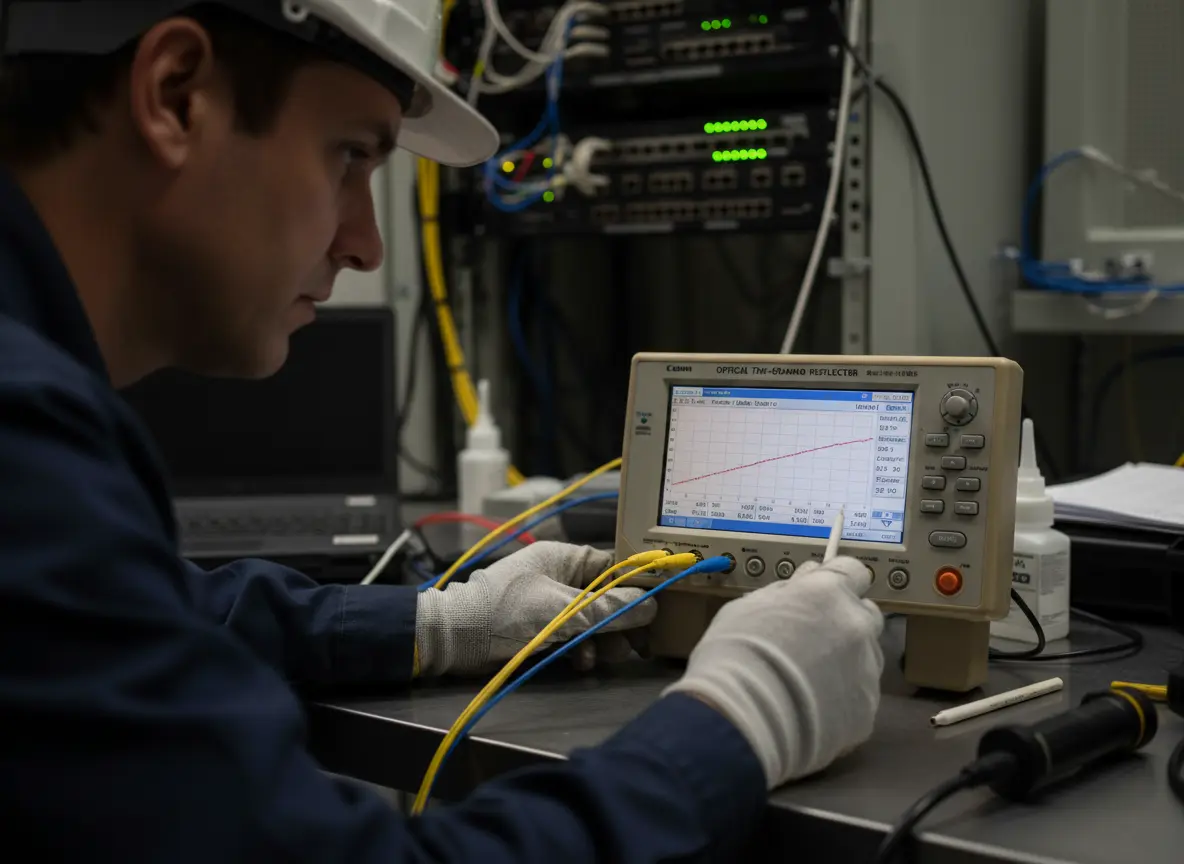
- OTDR testing and performance validation
- Network commissioning
Poor installation can lead to signal attenuation and long-term maintenance issues, so certified technicians are essential.
Maintenance & Lifecycle Management
Installing fiber is just the beginning. Long-term reliability depends on proactive maintenance and monitoring.
Lifecycle management services include:
- Routine inspections
- Fault detection
- OTDR testing
- Fiber repair and restoration
- Network upgrades
Preventative maintenance ensures optimal bandwidth performance and minimal downtime.
How to Choose the Right OFC System Provider
When selecting a fiber optic service provider, consider:
✔ Experience in large-scale fiber deployments
✔ Certified fiber technicians
✔ Compliance with international telecom standards
✔ End-to-end services (design, installation, maintenance)
✔ Scalable and future-ready solutions
A reliable provider will offer complete turnkey OFC solutions tailored to enterprise, telecom, and infrastructure projects.
Frequently Asked Questions (FAQ)
An OFC (Optical Fiber Communication) system uses light signals transmitted through fiber optic cables to deliver high-speed data over long distances.
Single-mode fiber supports longer distances and higher bandwidth, while multi-mode fiber is typically used for shorter distances within buildings.
Fiber provides higher speeds, lower latency, improved security, and longer transmission distances compared to copper cables.
FTTx stands for Fiber-to-the-X, where "X" represents the endpoint such as home (FTTH), building (FTTB), or premises (FTTP).
Initial costs may be higher than copper, but fiber offers lower maintenance costs and better long-term ROI.
Yes. 5G infrastructure depends on fiber optic backhaul to deliver high-speed and low-latency connectivity.
Conclusion
OFC systems are the foundation of modern digital infrastructure. Whether supporting enterprise IT networks, telecom operators, data centers, or smart city projects, fiber optic communication delivers unmatched speed, reliability, and scalability.
As global bandwidth demand continues to rise, investing in high-quality fiber optic solutions is no longer optional — it is essential for long-term digital success.
Latest Post

The Future of 5G in Qatar:What Businesses Need to Know
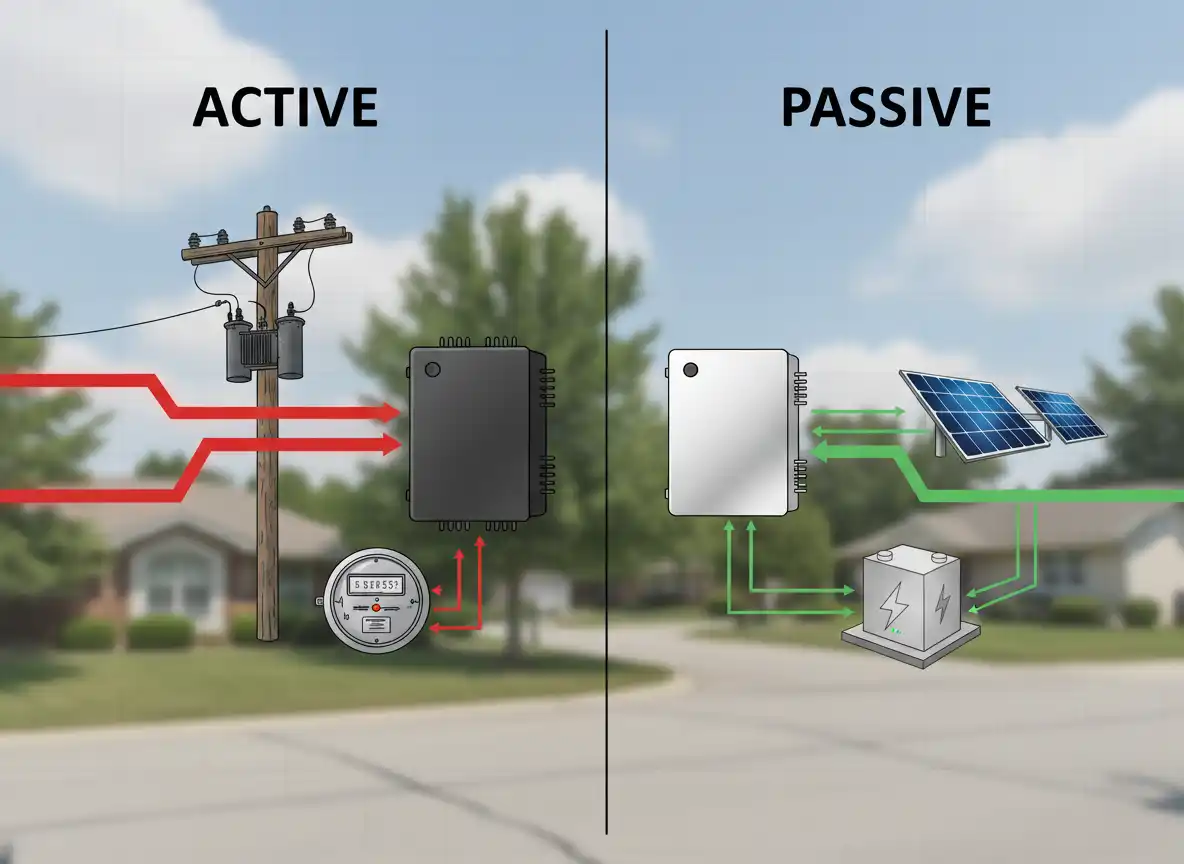
GSM Active vs Passive Systems:Which One Is Right for Your Project?